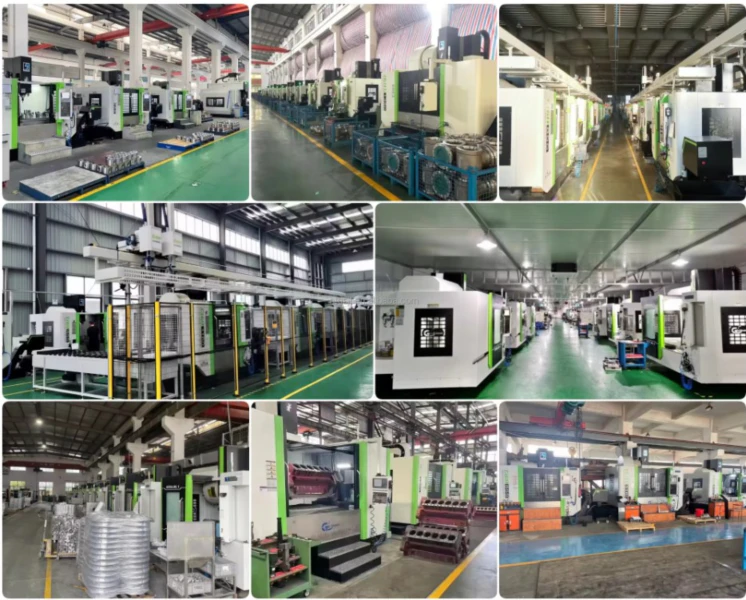
Professional manufacturing
Established in 2003, our company has become a leading manufacturer and supplier specializing in milling machines. With over two decades of experience, we have established ourselves as pioneers in the industry, known for our commitment to quality, innovation, and customer satisfaction.
Our state-of-the-art facility allows us to produce high-quality milling machines with precision and efficiency. Backed by a team of skilled engineers and technicians, we continuously strive for product design and performance excellence.
Our milling machines boast exceptional features, including multi-axis control, high-speed cutting capabilities, and rigid construction for stability and accuracy. Designed to meet the diverse needs of various industries, our machines are widely used in automotive manufacturing, aerospace engineering, medical device production, and more.
What sets us apart is our unwavering dedication to the milling machine field. Our expertise and reputation for delivering reliable and durable machines have earned us a prominent position in the market. We take pride in our comprehensive customer support services, offering technical assistance, training programs, and prompt after-sales service to ensure our clients’ success.
At our company, innovation is at the heart of everything we do. We continually invest in research and development to stay ahead of industry trends and technological advancements. With a focus on customer-centric solutions and continuous improvement, we remain committed to providing cutting-edge milling machines that empower our clients to achieve their manufacturing goals efficiently and effectively.
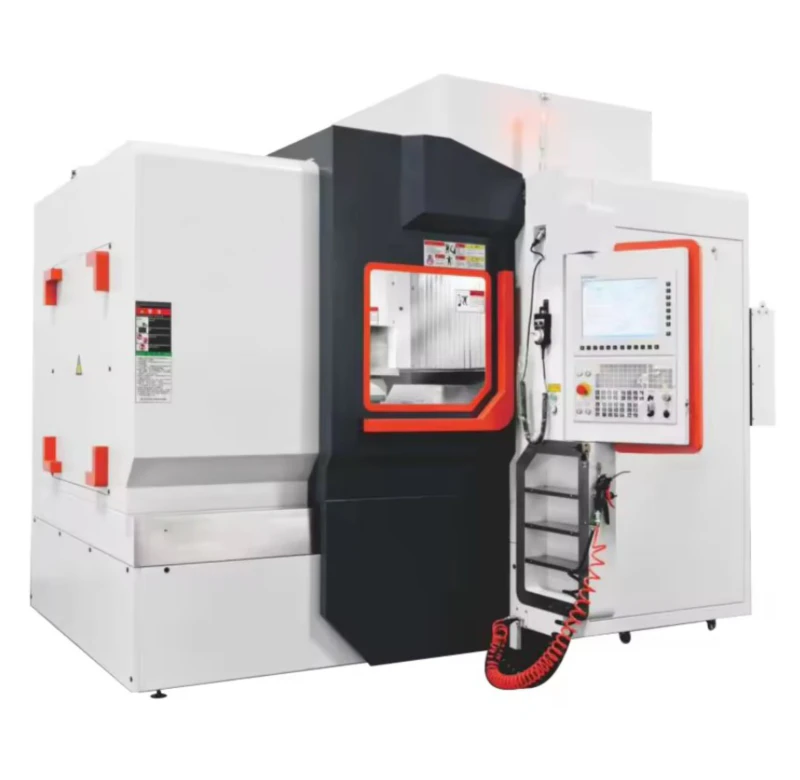
What is a milling machine?
A milling machine is a machine tool that uses a milling cutter to mill workpieces. It uses the rotational motion of the milling cutter as the main motion and the movement of the workpiece and the milling cutter as the feed motion. Milling machines can process planes, grooves, gear teeth, threads, and splined shafts and can even handle more complex profiles. Their efficiency is higher than that of planers, so they are widely used in machinery manufacturing and repair departments. Milling machines can process workpieces of various shapes and sizes, including planes (horizontal planes, vertical planes), grooves (keyways, T-shaped slots, dovetail grooves, etc.), toothed parts (gears, spline shafts, sprockets), spiral Surfaces (threads, spiral grooves) and various curved surfaces. In addition, the milling machine can also be used to process the surface of the rotary body and the inner hole and perform cutting work.
Advantages of cnc milling machine compared with manual milling machine
| Advantages | CNC Milling Machine | Manual Milling Machine |
|---|---|---|
| Automation | Fully automated; minimal human intervention required | Requires constant human operation and adjustment |
| Precision and Accuracy | High precision with consistent results | Precision depends on operator skill; may vary |
| Complexity of Operations | Capable of performing complex and multi-axis operations | Limited to simpler, less complex tasks |
| Efficiency and Speed | High-speed operations with optimized tool paths | Slower due to manual operation |
| Repeatability | Excellent repeatability for mass production | Limited repeatability, variations can occur |
| Flexibility | Easily programmable for different tasks | Requires manual setup and changes for each task |
| Labor Cost | Reduced labor costs due to automation | Higher labor costs, needs skilled operators |
| Skill Level Required | Requires programming knowledge but less manual skill | Requires high level of manual skill and experience |
| Tool Changes | Automatic tool changes possible | Manual tool changes required |
| Production Volume | Suitable for high-volume production | Best for low to medium production runs |
| Safety | Enclosed operations reduce safety risks | Higher risk due to manual handling |
| Downtime | Less downtime with predictive maintenance and diagnostics | More frequent downtime for maintenance and adjustments |
| Integration with CAD/CAM | Easily integrates with CAD/CAM software for design and prototyping | Limited integration with digital design tools |
| Complex Geometries | Can produce highly complex geometries and 3D shapes | Limited to simpler, 2D shapes and basic 3D forms |
| Material Waste | Optimized tool paths reduce material waste | More material waste due to less precise manual operations |
| Cost of Ownership | Higher initial investment but lower operational costs | Lower initial cost but higher operational costs |
Milling machine for sale
-
Dual Spindle CNC Turning And Milling Machine LK-200MSY With Interpolated Y-Axis For Metal Processing
-
Factory price CNC Parallel Double Spindle Dual Power Tool Turret Turning Milling Lathe Machine with Twin Tailstock for Sale
-
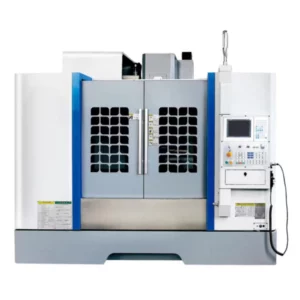
High Rigidity Vertical Machining Center VMC640 With 800*300 Table Size For Turning Milling Drilling Tapping
-
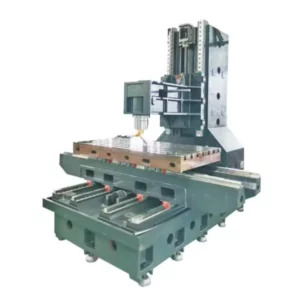
High Stability Powerful Vertical Machining Center VMC640 With 12 Pieces Bamboo Hat For Turning Milling Drilling Tapping
-
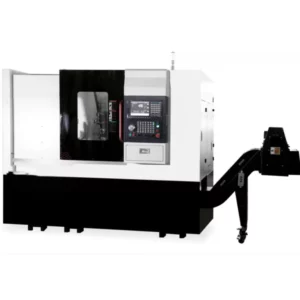
High-Performance Leichman CNC Lathe Machine CK108MY With Interpolated Y-Axis For Metal Turning Milling Drilling Engraving
-
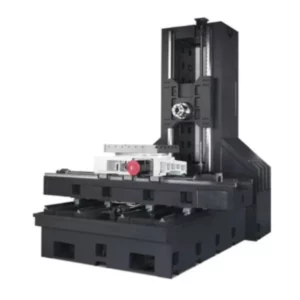
High-Performance Vertical Machining Center VMC640 With High Rigidity Spindle For Turning Milling Drilling Tapping
Years
Products
Client
Advantages of milling machine
Versatility
Milling machines can perform a wide variety of operations, including cutting, drilling, slotting, keyway cutting, and contouring. This versatility makes them suitable for a wide range of applications.
Precision and Accuracy
Modern milling machines, especially CNC (Computer Numerical Control) models, offer high precision and accuracy. They can produce complex parts with tight tolerances, ensuring consistent quality.
Efficiency
Milling machines can handle large volumes of material and complex shapes efficiently. CNC milling machines, in particular, can operate continuously with minimal supervision, increasing production rates.
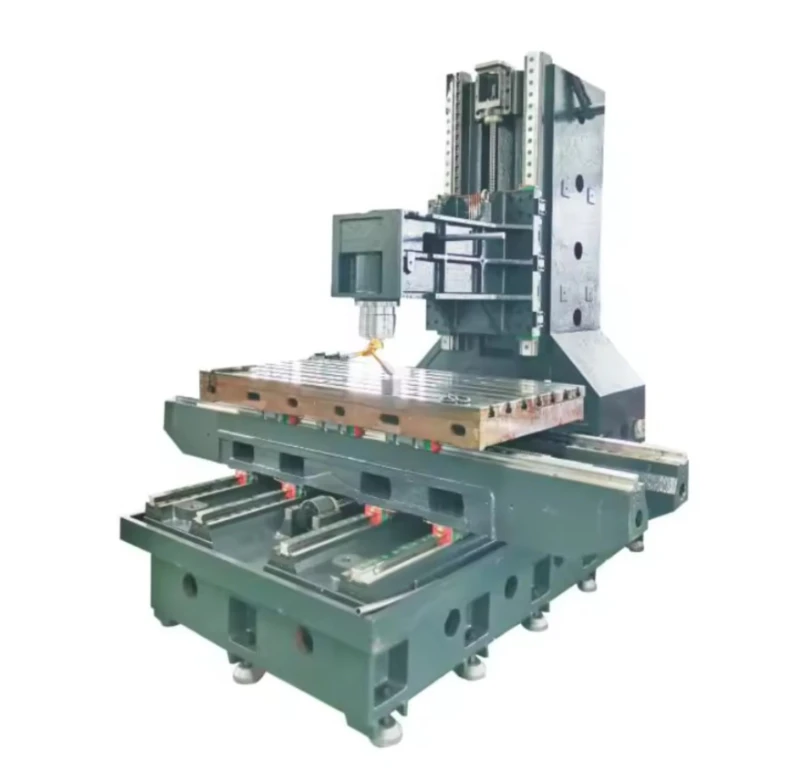
Main types of milling machines
1. Vertical Milling Machine
Features: The spindle is installed perpendicular to the workbench, and the tool moves up and down.
Application: Suitable for processing parts with flat surfaces, slots, holes and complex contours, often used in mold manufacturing and small batch production.
Advantages: Simple operation, suitable for a variety of processing tasks, especially when processing smaller parts.
2. Horizontal Milling Machine
The spindle is mounted parallel to the workbench and the tool moves laterally.
Application: Suitable for processing large-area and heavy-duty workpieces, such as the production of large molds and structural parts.
Advantages: Good processing rigidity, suitable for long-term, high-power cutting operations, high efficiency.
3. CNC Milling Machine
Features: Controlled by computer numerical control system, high degree of automation.
Application: Suitable for mass production of high-precision, complex-shaped parts, such as aviation, automobiles, medical equipment and other fields.
Advantages: high precision, high degree of automation, high production efficiency, and good repeatability.
Milling machine application industries
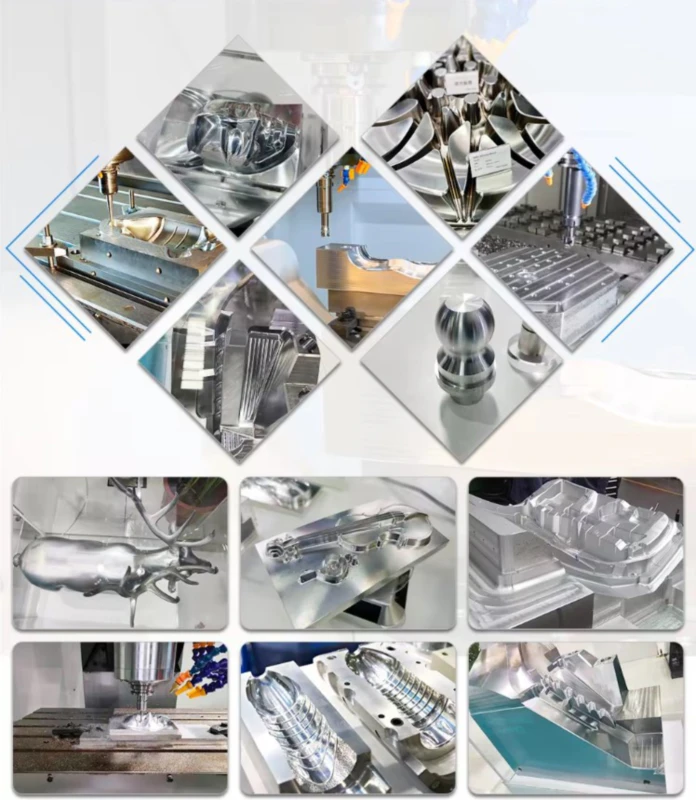
1. Automotive Industry
Applications: Manufacturing engine components, transmission parts, brake system components, and custom vehicle parts.
Examples: Cylinder heads, gearboxes, pistons, and crankshafts.
2. Aerospace Industry
Applications: Producing precision components for aircraft and spacecraft, including structural parts and engine components.
Examples: Wing spars, turbine blades, landing gear components, and fuselage frames.
3. Medical Industry
Applications: Creating medical devices, implants, surgical instruments, and prosthetics with high precision.
Examples: Orthopedic implants, dental prosthetics, surgical tools, and diagnostic equipment parts.
4. Electronics Industry
Applications: Fabricating enclosures, heat sinks, connectors, and precision components for electronic devices.
Examples: PCB prototyping, smartphone cases, laptop housings, and semiconductor components.
5. Tool and Die Industry
Applications: Manufacturing molds, dies, jigs, and fixtures for various manufacturing processes.
Examples: Injection molds, stamping dies, and precision tooling.
6. Energy Industry
Applications: Producing components for renewable energy systems, oil and gas equipment, and power generation machinery.
Examples: Wind turbine blades, solar panel frames, pipeline components, and turbine parts.
Main components of milling machine
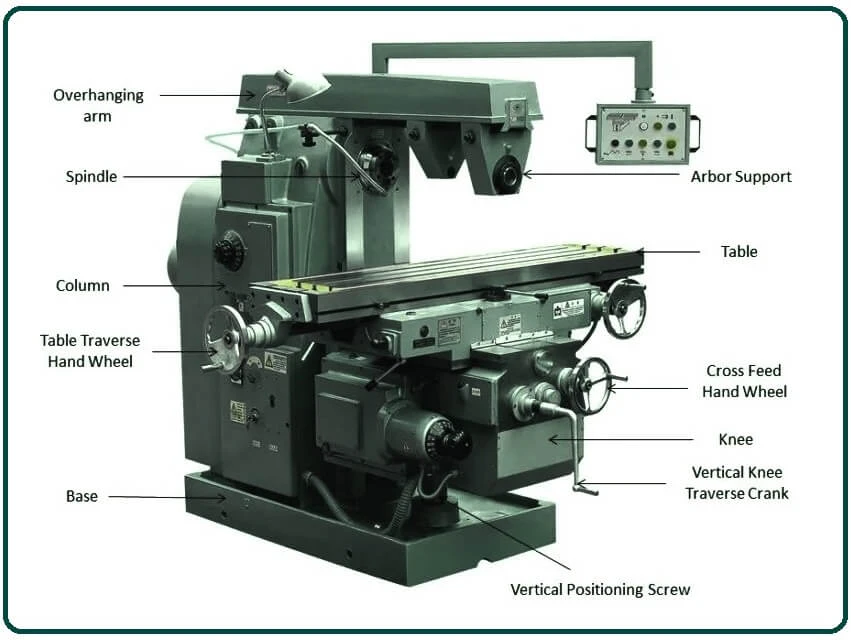
1. Bed
- Function: The bed is the base structure of the milling machine, providing stable support and rigidity. It supports all other components and absorbs vibrations and loads during machining.
- Role: Ensures the stability and precision of the milling machine.
2. Table
- Function: The table is the flat surface used to hold and move the workpiece. It typically moves in the X-axis (left and right) and Y-axis (front and back) directions.
- Role: Allows precise positioning and movement of the workpiece during machining.
3. Spindle
- Function: The spindle holds and rotates the cutting tool, providing the necessary power for cutting. It usually moves in the Z-axis (up and down) direction.
- Role: Drives the cutting tool to perform machining operations.
4. Cutting Tool
- Function: The cutting tool is the part that directly performs the cutting operation. There are various types and shapes of cutting tools for different machining tasks.
- Role: Removes material from the workpiece to form the desired shape and size.
5. Spindle Head
- Function: The spindle head houses the spindle and the motor that drives the spindle. It may also include a gearbox for adjusting spindle speed.
- Role: Provides rotational power and speed control for the spindle.
6. Guideways
- Function: Guideways are tracks that guide the movement of the table, spindle head, and other components, ensuring precise movement along a specific path.
- Role: Provide smooth and accurate movement, ensuring machining precision.
7. Feed Mechanism
- Function: The feed mechanism controls the speed and direction of movement of the table and spindle. It can be manual or automatic.
- Role: Controls the relative motion between the workpiece and the cutting tool, enabling precise cutting.
8. Control System
- Function: In CNC milling machines, the control system uses computer numerical control (CNC) programs to control all machine operations.
- Role: Automates and precisely controls the machining process, increasing efficiency and accuracy.
9. Coolant System
- Function: The coolant system sprays coolant during cutting to cool the cutting tool and workpiece, preventing overheating.
- Role: Extends tool life and improves machining quality.
10. Power Transmission System
- Function: The power transmission system transfers power from the motor to the spindle and other moving parts, typically involving belts, gears, and couplings.
- Role: Ensures that all components receive the necessary power and speed.
11. Clamping Device
- Function: Clamping devices hold the workpiece securely in place during machining.
- Role: Ensures that the workpiece does not move during machining, maintaining accuracy.
12. Control Panel
- Function: The control panel is the interface through which the operator controls the milling machine’s functions and parameters.
- Role: Provides the user interface for setting up, controlling, and monitoring the milling machine.
Why choose our company?
1. High-quality products: Our company is committed to providing the highest-quality milling machine. Our products are precision-engineered and manufactured using advanced materials to ensure durability, reliability, and consistent performance.
2. Comprehensive Service: We pride ourselves on providing excellent customer service. Our professional team is ready to answer your questions, provide technical support, and provide solutions tailored to your needs.
3. Competitive Prices: Our company offers competitive prices without compromising quality. We believe in creating value for our customers and work hard to ensure our products fit every budget.
4. Excellent after-sales support: We know a product is only as good as the support you receive after purchasing it. Our company provides comprehensive after-sales services, including timely repair, replacement, and maintenance, ensuring that your milling machine is in optimal condition for a more extended period.
5. Rich product range: Our company provides a variety of milling machine shafts to meet different applications and requirements. We can provide you with the right product.